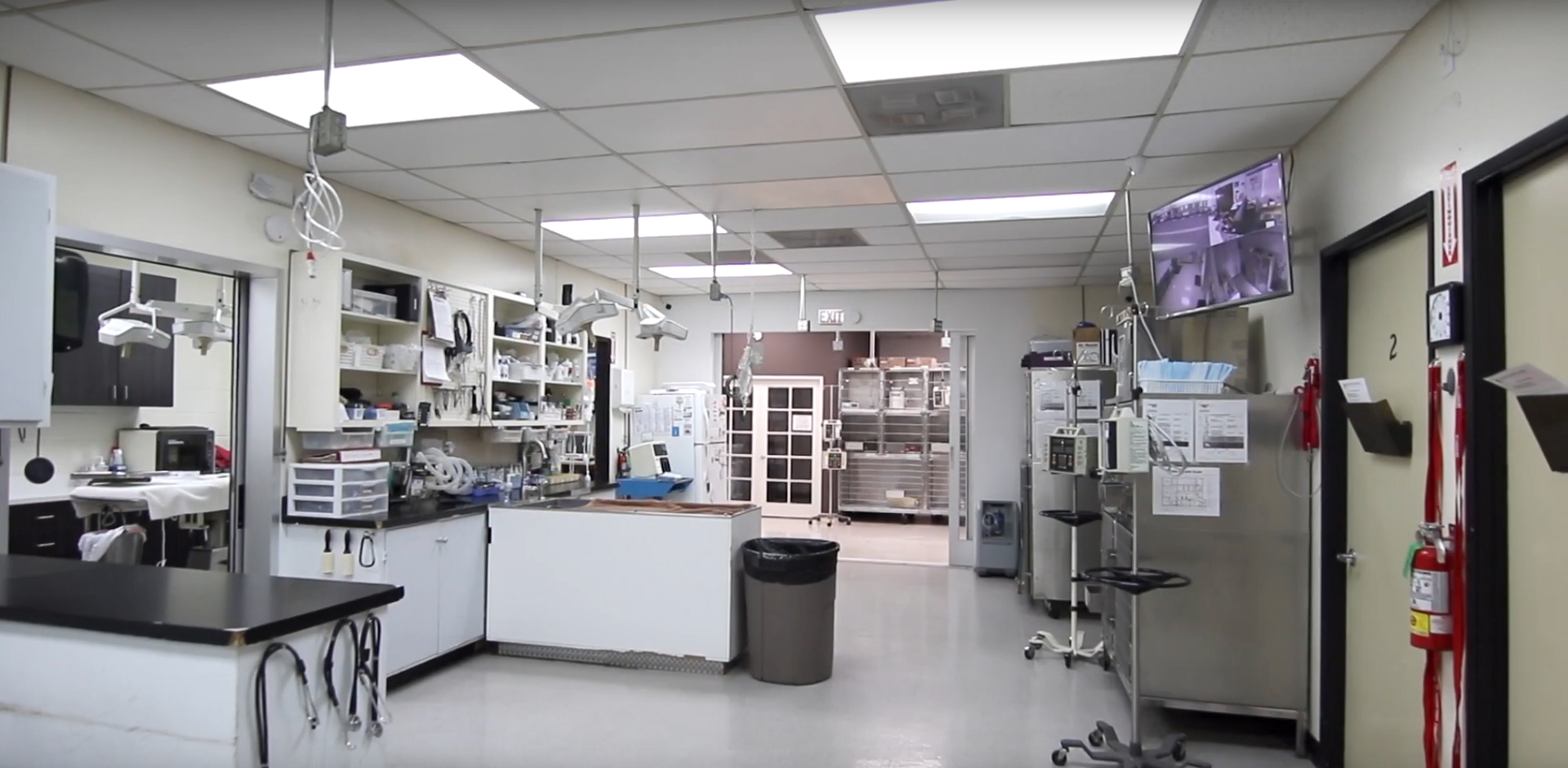
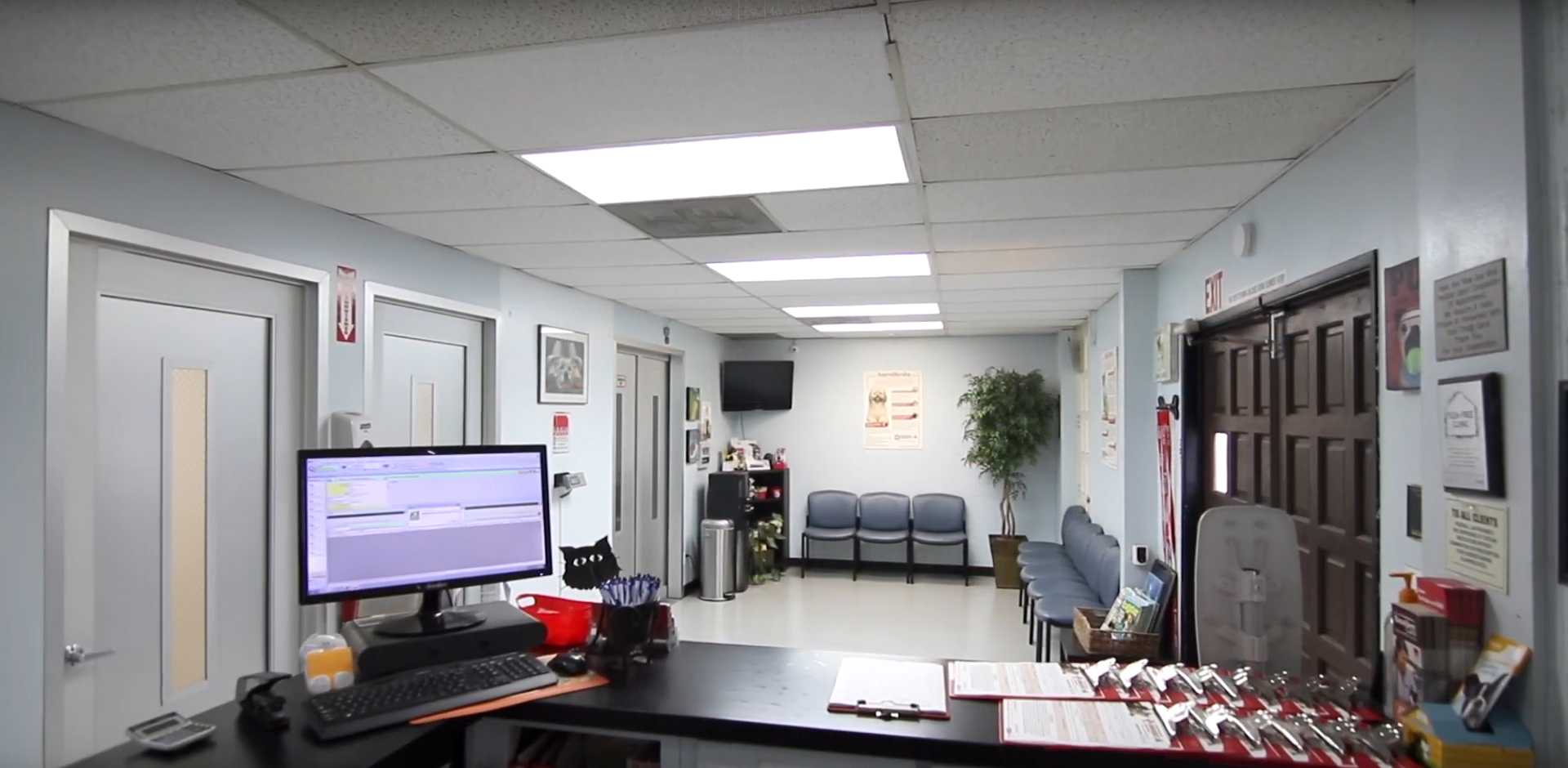
Central Orange County Emergency Animal Hospital

Welcome to Central Orange County Emergency Animal Hospital—your trusted emergency vet for German Shepherds in Orange County. Known for their loyalty, intelligence, and protective instincts, German Shepherds require specialized veterinary care to match their high-performance lifestyle and genetic predispositions. This page is designed to help you understand common emergencies that affect German Shepherds and how our expert veterinary team is equipped to respond with fast, effective treatment—24/7.
The German Shepherd was originally developed in Germany in the late 1800s to herd and protect flocks. Over time, the breed’s incredible work ethic, courage, and intelligence made it a favorite for police work, search and rescue, and military service around the world.
German Shepherds are large, muscular dogs with a noble posture, erect ears, and a bushy tail. Their double coat can vary in color but is typically black and tan. The breed is known for its graceful yet powerful movement and strong bite force.
Highly loyal and protective, German Shepherds are quick learners who thrive on structure and training. While they are devoted to their families, they may be aloof with strangers and require proper socialization. Their working-dog mindset means they need both physical exercise and mental stimulation daily.
Due to their active lifestyle and genetic predispositions, German Shepherds often face orthopedic emergencies:
Hip Dysplasia & Elbow Dysplasia: Inherited joint issues that can flare up suddenly, causing limping, stiffness, or an inability to rise.
Cranial Cruciate Ligament (CCL) Tears: A progressive spinal condition that may first present as subtle rear-end weakness or instability.
Like other large breeds, German Shepherds are at risk for serious GI conditions:
Gastric Dilatation-Volvulus (Bloat): This life-threatening emergency involves stomach twisting and rapid distension. Symptoms include restlessness, non-productive retching, bloating, and collapse.
Foreign Body Ingestion: Their curiosity and high-drive behavior can lead to ingestion of socks, bones, toys, or rawhide, resulting in intestinal blockage.
German Shepherds are genetically predisposed to certain neurological emergencies:
Seizures: Often due to idiopathic epilepsy or trauma, seizures in Shepherds may cause muscle spasms, drooling, paddling, or temporary confusion.
Lumbosacral Stenosis (Cauda Equina Syndrome):A narrowing of the spinal canal that causes sudden pain, weakness, or incontinence.
German Shepherds are highly susceptible to dermatological emergencies:
Pyoderma and Hot Spots: Bacterial skin infections that rapidly worsen with scratching or licking.
Environmental Allergies (Atopy): Acute reactions to pollen, dust, or food can cause red, itchy, inflamed skin—often leading to secondary infections if untreated.

At Central Orange County Emergency Animal Hospital, we provide breed-specific emergency services tailored to the needs of German Shepherds, including:
While some emergencies can’t be avoided, others can be minimized with proactive care strategies specific to German Shepherds:
Regular Mobility Screenings: Early detection of joint degeneration or spinal issues can reduce long-term damage.
Weight Management Plans: Excess weight strains hips and elbows—our team can help keep your dog at a healthy, active weight.
Routine Bloodwork: Crucial for identifying early signs of neurological or systemic disease.
Environmental Control: Reducing exposure to allergens (dust, mold, grass) helps manage chronic skin issues.
German Shepherds are among the most intelligent and driven breeds—but their strength and energy also come with unique health vulnerabilities. At Central Orange County Emergency Animal Hospital, we go beyond emergency care to offer long-term health strategies tailored to the breed.
Our clinic combines cutting-edge diagnostics, compassionate care, and deep knowledge of breed-specific conditions to ensure that your Shepherd receives not just urgent treatment—but preventive protection. Whether you’re dealing with sudden lameness, GI distress, allergy flare-ups, or unexplained behavior changes, we’re here with advanced tools and experienced hands.
If you’re located in Irvine, Newport Beach, or surrounding Orange County communities, we are always ready to support your German Shepherd’s health—day or night.
While our emergency team at Central Orange County Emergency Animal Hospital is equipped to manage critical situations, proactive care is key to minimizing future health risks—especially for high-risk breeds like the German Shepherd. These intelligent, loyal dogs often face genetic conditions that can escalate quickly without proper veterinary oversight. That’s why we emphasize ongoing care in partnership with your primary care veterinarian to manage breed-specific health concerns and detect emerging issues early.
Routine blood panels and annual health screenings are essential to track internal organ function, monitor for exocrine pancreatic insufficiency, and assess for underlying spinal cord or elbow joint abnormalities. Our veterinary hospital supports this long-term care with advanced diagnostics and specialist referrals, ensuring each dog receives tailored treatment based on their unique medical profile.
When it comes to dental care, neglecting your Shepherd’s teeth can contribute to systemic health issues, including infections that may affect the heart or kidneys. Our team offers urgent support for oral injuries, tooth fractures, or infections that arise outside of regular clinic hours.
We also provide first aid guidance and at-home care education to help owners respond confidently in urgent situations. From recognizing signs of health concerns to initiating emergency support for elbow dysplasia or mobility issues, our staff is committed to empowering pet parents with knowledge and resources.
Whether you’re managing a chronic health issue or responding to a sudden emergency, we collaborate closely with your dog’s full care team to provide seamless, compassionate care that addresses both acute episodes and ongoing wellness.
Don’t wait if your dog is in distress. Contact Central Orange County Emergency Animal Hospital now for emergency or urgent care. Your Shepherd deserves fast, focused, and compassionate treatment from a team that understands the breed inside and out.
German Shepherds are prone to orthopedic injuries (like hip dysplasia), bloat, seizures, and severe skin allergies. If your dog is limping, bloated, unresponsive, or obsessively scratching, it’s time for emergency care.
Signs of bloat include a swollen abdomen, unproductive retching, pacing, panting, and collapse. This condition is life-threatening and requires immediate veterinary surgery.
Sudden hind-end weakness could be a sign of degenerative myelopathy or spinal compression. These are medical emergencies, especially if accompanied by incontinence or pain.
Yes—hot spots, pyoderma, and allergy-driven skin lesions can escalate quickly. If your dog is in pain, bleeding, or showing signs of infection (odor, pus, crusting), prompt treatment is essential.
Not always. Limping may stem from soft tissue injuries, ligament tears, or spinal issues. A veterinary exam with imaging is the best way to identify the cause and prevent further damage.
Stay calm, keep your dog away from furniture or stairs, and avoid touching their mouth. Time the seizure and seek emergency vet care if it lasts longer than 2 minutes or repeats.
Yes. Joint supplements, early mobility screening, and weight control can reduce the risk of emergency flares. Ask our team about customized orthopedic care plans.
Our veterinary team specializes in breed-specific emergencies, offers 24/7 diagnostics and treatment, and understands the complex medical needs of German Shepherds—from mobility to neurology to dermatology.