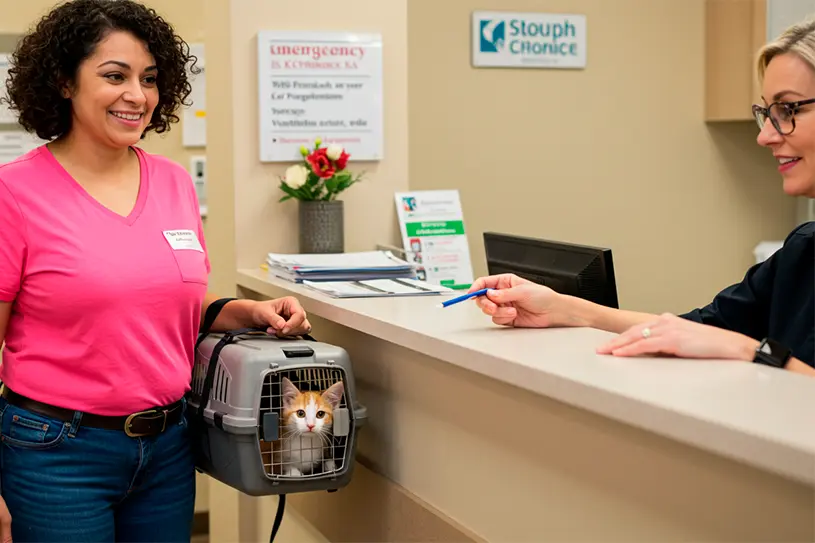

Common Pet Emergencies: Signs and What to Do
When your pet is in distress, every second counts. Whether it’s a sudden injury or an unexplained behavior, recognizing the signs of common pet emergencies can be the difference between life and death. As a responsible pet owner, being able to spot symptoms early and act quickly is key to keeping your furry companion safe and healthy.
In this guide, we’ll walk through the most common pet emergencies, how to identify warning signs, and what steps to take to ensure your pet receives the emergency vet care they need. From pet first aid to professional help, preparation is your best ally.
Understanding Common Pet Emergencies
Emergencies can arise without warning. Here are some of the most common pet emergencies every owner should be aware of:
- Choking: Often caused by toys, bones, or small household objects.
- Heatstroke: Especially dangerous in hot climates or after intense physical activity.
- Severe bleeding: Whether from a wound or an internal injury, blood loss is life-threatening.
- Difficulty breathing: Respiratory distress can stem from allergic reactions, trauma, or illness.
- Seizures: These sudden events can indicate neurological issues or toxic exposure.
Being familiar with these emergencies prepares you to take fast, informed action.
Recognizing Signs of Pet Emergencies
Knowing the symptoms of a crisis is just as important as knowing how to respond. Here are key indicators that your pet may be experiencing an emergency:
Choking
- Gagging or retching
- Pawing at the mouth
- Visible distress or panic
Heatstroke
- Excessive panting or drooling
- Red gums or glazed eyes
- Weakness, lethargy, or collapse
Severe Bleeding
- Continuous bleeding that doesn’t stop with pressure
- Pale gums or visible weakness
- Rapid breathing or fainting
Difficulty Breathing
- Wheezing or open-mouth breathing
- Blue-tinged gums or tongue
- Restlessness or collapse
Seizures
- Uncontrolled shaking or twitching
- Drooling or foaming at the mouth
- Temporary loss of consciousness
These are all signs of pet emergencies that require urgent care.
Immediate Actions to Take
Every second matters. Here’s what to do in the most critical situations:
For Choking
- Gently open the pet’s mouth to look for a visible obstruction.
- Do not use tweezers unless the object is clearly accessible.
- If the pet collapses, try performing a modified Heimlich maneuver and head to an emergency vet clinic immediately.
For Heatstroke
- Move your pet to a shaded or cool area.
- Wet them down with lukewarm (not ice-cold) water.
- Offer small sips of water and contact your vet on the way to the clinic.
For Severe Bleeding
- Apply firm, direct pressure with a clean cloth or gauze.
- Elevate the wounded area if possible.
- Get to an emergency vet care facility right away.
For Difficulty Breathing
- Keep your pet calm and avoid restricting airflow.
- Do not administer medications unless prescribed.
- Head directly to your nearest emergency vet.
For Seizures
- Move your pet away from furniture or sharp objects.
- Do not touch their mouth or restrain them.
- Time the seizure and call your vet immediately after it ends.
Quick action combined with proper pet first aid can help stabilize your pet while en route to professional care.
When to Contact an Emergency Vet
If you’re unsure whether your pet’s symptoms qualify as an emergency, always err on the side of caution.
Call your orange county emergency vet if you observe:
- Uncontrolled bleeding
- Difficulty breathing
- Loss of consciousness
- Ingestion of toxic substances
- Severe trauma (hit by a car, large fall, etc.)
Be ready to provide information such as:
- Symptoms and their duration
- Your pet’s vaccination status and health history
- Any medications or toxins your pet may have ingested
Save time and lives by keeping emergency contacts and medical information readily accessible.
You can also refer to our full guide on how to handle pet emergencies for more details.
How to Prepare for a Veterinary Emergency Before It Happens
While emergencies are often sudden, preparation is essential for minimizing their impact. Consider the following:
- Keep a Pet First Aid Kit at home and in your car. It should include gauze, antiseptic wipes, tweezers, and a basic pet first aid manual.
- Know your Emergency Vet Clinic location in advance. Whether you’re local or traveling, always identify the nearest facility that offers 24/7 emergency vet care.
- Save contact details for the ASPCA Animal Poison Control Center and local veterinary hospital.
- Monitor your pet’s body temperature, heart rate, and breathing patterns if you suspect distress.
- Learn the signs of respiratory distress, internal bleeding, and open wounds, especially after accidents.
- In case of urinary blockage, severe vomiting, or loss of consciousness, act immediately and transport your pet safely with minimal movement.
These proactive steps, paired with consistent wellness and preventive care, can reduce risks and improve outcomes in a crisis.
Expanding Emergency Awareness: Beyond the Basics
While most pet owners are familiar with common emergencies like choking or bleeding, many critical conditions require the same level of urgency but are often overlooked. Having a solid understanding of these emergencies—and how to respond—can mean the difference between life and death for your pet.
Open wounds, for example, can range from minor scrapes to deep lacerations caused by accidents, fights, or foreign objects. Even if the bleeding appears controlled, these injuries can lead to infections or internal trauma. Always clean the wound gently if possible, apply pressure to minimize bleeding, and seek emergency veterinary care promptly.
Ingesting a toxic substance—whether it’s a household cleaner, plant, or food like chocolate or grapes—can quickly lead to poisoning. Symptoms may include vomiting, tremors, or difficulty breathing. Keep the ASPCA Animal Poison Control Center number accessible, and avoid inducing vomiting unless directed by a professional.
Sometimes, breathing difficulties can indicate a more serious underlying issue like heart failure or an allergic reaction. Signs such as gasping, wheezing, or bluish gums demand immediate veterinary attention. Calm your pet, minimize movement, and get to an animal hospital right away.
Having a well-stocked pet first aid kit at home is essential. Your kit should include gauze, antiseptic wipes, scissors, tape, gloves, a digital thermometer, and your pet’s medical records. Don’t forget to include emergency contact numbers for your veterinary hospital, preferred emergency vet, and local poison control.
Some emergencies, such as ingesting foreign objects or symptoms linked to loss of consciousness, may seem subtle at first but can escalate quickly. If your pet collapses or exhibits strange neurological signs, contact your vet immediately and describe the symptoms in detail.
Preparation and knowledge are key to protecting your pet’s health. By recognizing veterinary emergencies and acting quickly, you give your pet the best chance at recovery and long-term wellness. Make sure you’ve identified a trusted emergency vet clinic, reviewed pet CPR techniques, and understand how to navigate both common and complex emergency care situations.
Staying Prepared for Pet Emergencies
No pet owner wants to face an emergency, but knowing what to do in a pet emergency can make all the difference. From recognizing the signs of pet emergencies to taking swift, informed action, preparedness is your pet’s best protection.
Stay proactive by keeping your emergency contacts, first aid kit, and vet information accessible at all times. When every moment matters, having a plan can save your pet’s life.
Bookmark trusted resources like our Emergency Veterinary Services Page, Pet First Aid Resources, and Wellness and Preventive Care page to ensure you’re ready for anything.
Stay calm, stay informed, and act quickly—your pet is counting on you.